
When it comes to warehousing, the safety of your racking system is not something that should be left to chance. A Heavy Duty Racking System is designed to handle significant loads in demanding industrial environments, but understanding how load capacity works and what safety standards apply is crucial for anyone responsible for a warehouse or storage facility.
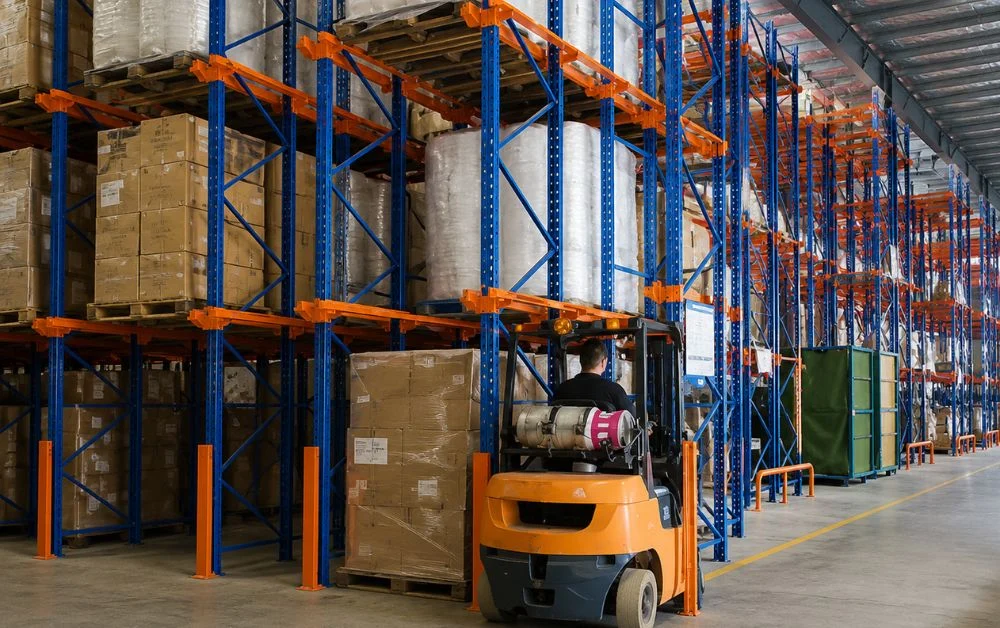
What Is Load Capacity?
Load capacity refers to the maximum weight that a racking system can safely hold at any given time. This includes the weight of stored goods, packaging, and any equipment used to place or retrieve items from the racks. Load capacity is determined at two levels: the capacity per shelf level and the overall capacity of the entire bay or column.
Exceeding the load capacity of a racking system is one of the leading causes of rack collapse and warehouse accidents. It is therefore essential to understand the specifications of your system and ensure that stored loads never exceed these limits.
Key Factors That Affect Load Capacity
Several factors influence the load capacity of a racking system:
- Material Quality: High-grade steel with the right thickness and tensile strength can hold heavier loads safely
- Upright Frame Design: The profile and gauge of the upright frames determine how much vertical load the system can support
- Beam Specifications: The size and thickness of beams affect how much weight each shelf level can carry
- Floor Anchoring: Racks must be properly anchored to the floor to prevent toppling under load or seismic activity
- Load Distribution: Uneven distribution of weight across a shelf or bay can create dangerous pressure points
Safety Standards for Heavy Duty Racking Systems
Industrial racking systems are subject to safety standards in most countries, including the UAE. These standards specify requirements for design, installation, and ongoing inspection of racking systems. For a Heavy Duty Racking System, compliance with standards such as EN 15512 (European standard for static steel pallet racking) or equivalent local guidelines is important to ensure the system is fit for purpose and safe to use.
Find out more-How Can a Heavy Duty Racking System Reduce Product Damage?
Regular Inspection Is Non-Negotiable
Even a perfectly installed racking system can become unsafe over time due to accidental impacts from forklifts, wear and tear, or improper loading. Regular inspections help identify damage early before it becomes a serious problem. Inspections should check for:
- Bent or damaged uprights and beams
- Missing safety clips or locking pins
- Signs of corrosion or material fatigue
- Improper loading or overloading of shelves
- Loose or damaged floor anchors
The Role of Professional Installation
Even the best quality Heavy Duty Racking System will underperform or become unsafe if it is not installed correctly. Professional installation ensures that the system is assembled according to the manufacturer’s specifications, properly anchored to the floor, and set up to handle the intended load. Stormat Systems and Solutions provides end-to-end installation services, from consultation and design to assembly and post-installation support, ensuring every racking system meets the required safety and performance standards.
Training and Load Notices
One often overlooked aspect of racking safety is the training of warehouse staff. Everyone who works in or around a racking system should understand the load limits and know not to exceed them. Load notices, which are physical signs attached to the racking frame indicating the maximum allowable load, are an important safety tool that should be present on every installation.

Conclusion
Understanding load capacity and adhering to safety standards is essential for any business operating a Heavy-Duty Racking System. Safe racking protects your goods, your staff, and your facility from costly and dangerous accidents. Stormat Systems and Solutions designs and installs racking systems across the UAE that comply with industry safety standards and are built to handle the most demanding warehouse environments reliably and safely.