
Introduction
As the final quarter of the year gets underway, UAE warehouses across retail, 3PL, and FMCG sectors start bracing for the seasonal surge that runs from Q4 promotions through the year-end shopping rush. This is exactly the moment when the condition and configuration of your Heavy Duty Racking System matters most, because a facility that is not ready for higher stock volumes and faster pick rates will feel the strain within days of the first order spike. This checklist walks warehouse managers through the practical steps to get a heavy duty racking system genuinely ready for peak season, rather than hoping it holds up under pressure.
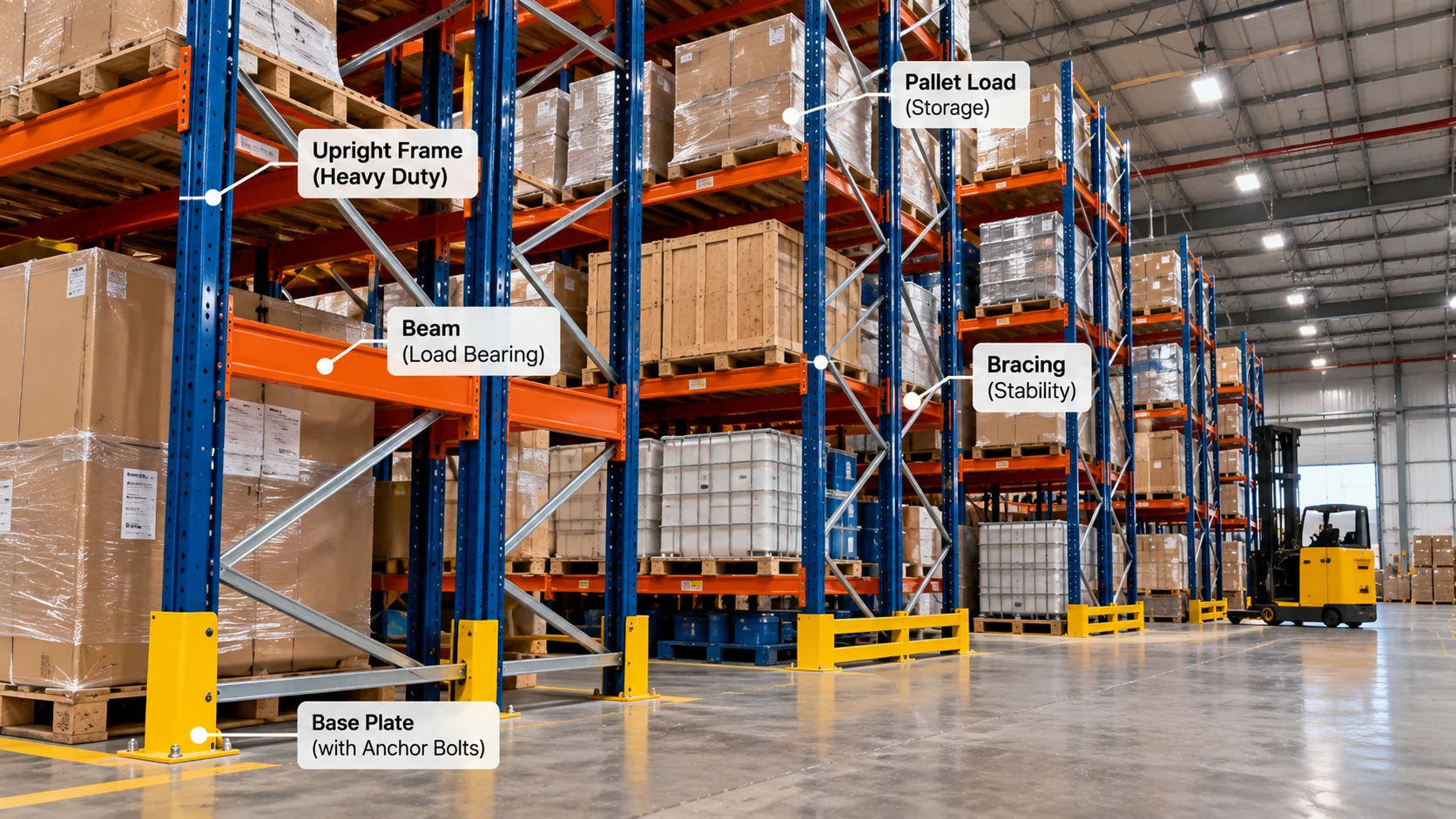
Audit Load Levels Before Volumes Increase
The first step is a straightforward one: check that every bay in your heavy duty racking system is still within its rated load capacity, and confirm that load labels are visible and accurate. Stock profiles often shift ahead of peak season, with faster-moving SKUs replacing slower ones, and it is easy for actual pallet weights to drift away from what the racking was originally specified for. Reviewing this now, before the busiest weeks arrive, avoids discovering an overloaded bay when there is no time to fix it properly.
Inspect for Damage Before the Rush Begins
Forklift traffic tends to increase sharply during peak periods, which means the risk of impact damage to uprights, beams, and column protectors rises with it. A pre-season inspection of your heavy duty racking system should look specifically for bent or dented uprights, missing or dislodged safety clips, and any frame that is out of plumb. Addressing minor damage now is far quicker and cheaper than dealing with a structural issue in the middle of a high-volume week, when taking a bay out of service causes real operational disruption.
Reassess Layout for Faster Picking
Peak season often means higher order frequency and tighter turnaround expectations, so it is worth reviewing whether your current heavy duty racking system layout still supports efficient picking. Fast-moving items should sit at accessible heights close to packing areas, while slower stock can move to less convenient positions. Small layout adjustments made before the rush, rather than during it, can meaningfully reduce staff travel time and picking errors once order volumes climb.
Plan for Temporary Overflow Capacity
Many UAE businesses see a genuine spike in stock holding during the final quarter, and a heavy duty racking system designed for average-month volumes can run out of usable positions quickly. Consider whether additional bays, a temporary mezzanine level, or reconfigured aisle widths could create extra capacity without compromising safety. Planning this in advance, with proper engineering input, avoids the common mistake of stacking overflow stock in aisles or against racking uprights, both of which create real safety hazards.
Confirm Handling Equipment Compatibility
If peak season means bringing in additional forklifts, reach trucks, or temporary staff to operate them, it is worth double-checking that your heavy duty racking system’s aisle widths and beam heights still match the equipment being used. A mismatch between racking design and handling equipment is one of the more common causes of impact damage during high-traffic periods, particularly when less experienced seasonal staff are operating machinery in unfamiliar layouts.
Brief Your Team on Load Limits
A well-prepared heavy duty racking system still depends on the people using it every day. Before peak season begins, remind warehouse staff of load limits, correct stacking practices, and the importance of reporting any impact or damage immediately rather than leaving it until a quieter period. This is a simple, low-cost step that meaningfully reduces the risk of a small issue becoming a serious one during the busiest weeks of the year. It is also worth reminding seasonal or temporary staff, who may not be familiar with the specific layout of your facility, where load limit signage is displayed and who to report concerns to.
Coordinate With Your Supplier Before the Rush Hits
Peak season is the worst possible time to discover that a replacement beam, clip, or upright is on back order for weeks. Speaking with your heavy duty racking system supplier before the busy period starts, and confirming that commonly needed replacement components are available from local stock, is a small step that can prevent a minor impact incident from turning into days of lost storage capacity. Suppliers who are already familiar with your facility’s layout can also respond faster if an urgent issue does arise once volumes pick up.
Related blog post – Heavy Duty Racking Systems: Complete Guide for Warehouse Managers
Review Fire Safety and Flue Space Compliance
Higher stock volumes can sometimes tempt teams to push loads closer together than the design allows, which puts flue space and fire safety clearances at risk. Before peak season begins, confirm that your heavy duty racking system still maintains the flue spacing required by UAE fire safety regulations, even at maximum planned stock levels. This is not an area to compromise on for the sake of a few extra pallet positions, since it directly affects both regulatory compliance and genuine fire risk in a fully loaded warehouse.

Conclusion
A heavy duty racking system that performs well under normal conditions can still be caught out by the sharp, sustained volume increase that peak season brings. Working through load checks, damage inspections, layout review, supplier coordination, and staff briefings ahead of time gives your warehouse the best chance of handling the rush safely and efficiently, without last-minute surprises disrupting operations at the worst possible moment. Stormat System supports UAE businesses with pre-season rack inspections and capacity planning to make sure every heavy duty racking system is genuinely ready for the months ahead. Contact Stormat System to schedule a peak season readiness check for your facility.