
Managing a warehouse efficiently requires more than just available space and staff. Understanding the language of storage systems is crucial for warehouse managers, logistics coordinators, and inventory specialists. Familiarity with key warehouse racking terminology not only improves communication but also ensures that your facility runs smoothly, safely, and efficiently. For businesses in the UAE, partnering with experienced warehouse racking suppliers in UAE can make this process even more effective.
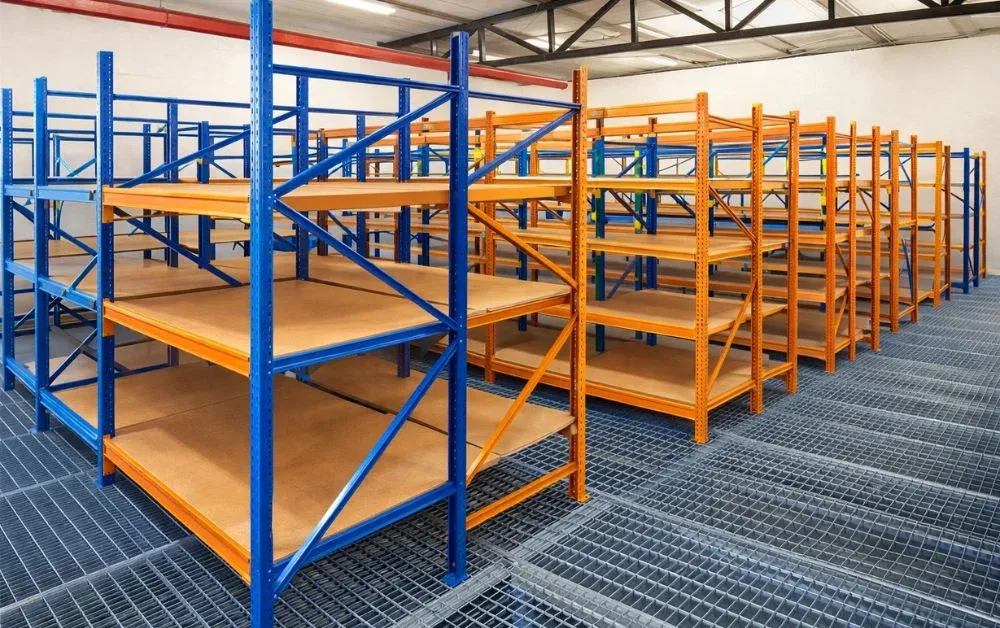
Common Warehouse Racking Terms
Warehouse operations involve a variety of racking solutions, each with its own set of terms. Here are some essential terms every manager should know:
1. Pallet Racking
Pallet racking refers to the framework used to store pallets of goods vertically. It is one of the most common storage solutions and is designed to maximize warehouse space while keeping inventory accessible. Understanding pallet racking types, such as selective, drive-in, and push-back, is critical for optimal storage planning.
2. Upright Frame
The upright frame is the vertical component of a pallet racking system. It supports the horizontal beams and determines the height of the storage system. Choosing the right upright frame depends on warehouse ceiling height and load requirements.
3. Beams
Beams are the horizontal bars that connect the uprights and support the weight of pallets or stored goods. They come in different load capacities, so it’s important to match the beams with your storage needs to prevent accidents or damage.
4. Bays and Levels
- Bay: A bay is the space between two upright frames where goods are stored. Each bay can contain multiple levels.
- Level: Levels refer to the horizontal layers of storage within a bay. Knowing how many levels a bay can accommodate helps in planning storage efficiently.
5. Load Capacity
Every racking system has a load capacity—the maximum weight it can safely support. Understanding load capacity is critical for avoiding overloading, which can compromise safety and damage inventory.
6. Aisle Width
Aisle width is the space between racking rows, allowing forklifts and warehouse staff to move freely. Proper aisle width is essential for safety, efficiency, and compliance with regulations.
7. Drive-In and Drive-Through Racking
These systems allow forklifts to enter the racking lanes to store and retrieve pallets. Drive-in racking is suitable for last-in-first-out (LIFO) operations, while drive-through supports first-in-first-out (FIFO) workflows. Knowing the difference helps in selecting the right system for inventory management.
8. Cantilever Racking
Cantilever racking is designed for storing long or bulky items such as pipes, lumber, or furniture. It uses arms instead of beams to support goods, providing open access and easy handling.
9. Mezzanine Systems
A mezzanine system creates an additional floor or platform within a warehouse to increase storage or workspace. Understanding how mezzanines integrate with existing racking systems is crucial for maximizing vertical space.
10. Pallet Types
Managers should also be familiar with pallet types, such as wooden, plastic, or metal pallets. Each type affects racking design, load distribution, and handling methods.
Additional resources-What Is a Racking System for Warehouse and Why Is It Important?
Why Understanding Terminology Matters
Grasping warehouse racking terminology is not just about speaking the same language as your team; it directly impacts:
- Safety: Proper understanding ensures correct load placement and prevents accidents.
- Efficiency: Managers can plan storage layouts, inventory movement, and material handling more effectively.
- Cost Management: Miscommunication or lack of knowledge can lead to inappropriate racking choices, unnecessary expenses, and downtime.
- Supplier Collaboration: Understanding these terms helps in negotiating with suppliers and selecting the right system for your facility.
Partnering with Experienced Warehouse Racking Suppliers
For businesses operating in the UAE, working with reputable warehouse racking suppliers in UAE can make a significant difference. Experienced suppliers bring technical knowledge, help design efficient layouts, and provide guidance on suitable racking types based on inventory, warehouse size, and operational needs.

Conclusion
Warehouse management is a complex task, and understanding racking terminology is essential for any manager seeking efficiency, safety, and optimized storage. By familiarizing yourself with terms like pallet racking, beams, bays, load capacity, and mezzanine systems, you can make better decisions, reduce operational risks, and improve workflow.
When it comes to sourcing reliable and expert guidance, Stormat System & Solutions LLC stands out among warehouse racking suppliers in UAE. Their comprehensive solutions, tailored to each business’s unique requirements, ensure that warehouses not only maximize storage capacity but also maintain safety and operational efficiency. Partnering with Stormat System & Solutions ensures your warehouse is equipped with the best racking systems designed for long-term performance and growth.