
Designing the right racking system is one of the most crucial aspects of optimizing storage in warehouses, retail outlets, and industrial facilities. A well-planned rack installation not only ensures efficient use of space but also improves safety, accessibility, and overall productivity. In the UAE’s fast-growing logistics and warehousing sector, businesses are increasingly focusing on smart storage systems that align with their operational requirements. If you’re considering rack installation UAE, there are several key factors you need to keep in mind before finalizing your design.
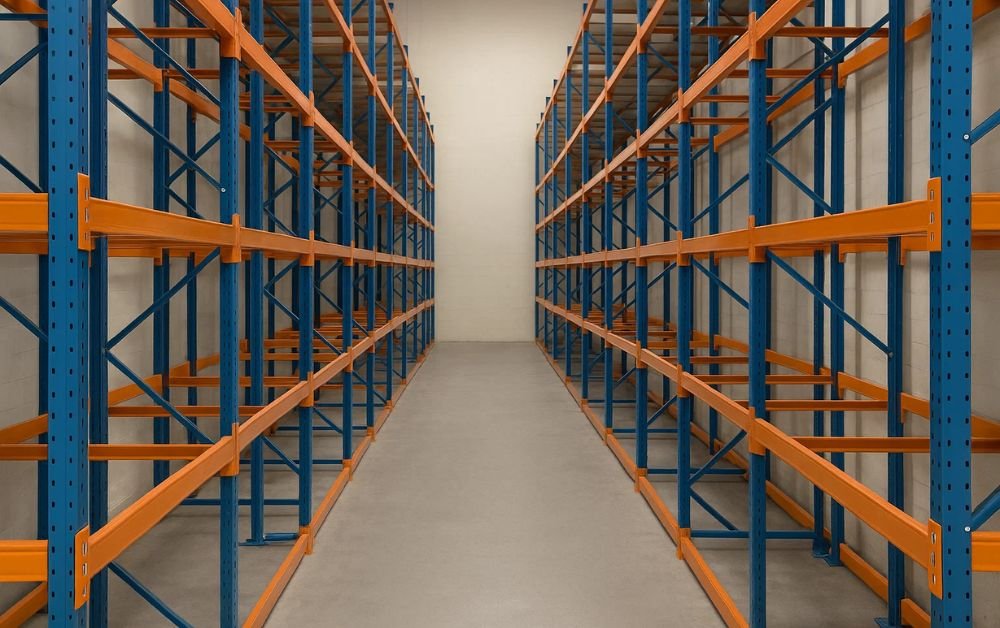
1. Nature of Goods Stored
The first step in designing a racking system is understanding the type of goods that will be stored.
- Perishable items require systems that follow FIFO (First-In-First-Out) principles, such as pallet flow racks.
- Bulky or irregular goods are best suited for cantilever racking.
- High SKU variation may demand selective racking for easy accessibility.
By matching the system to product characteristics, you avoid future inefficiencies and ensure smoother operations.
2. Space Utilization and Layout
Every warehouse has its limitations, and space optimization is often a top priority.
- Floor space and ceiling height need to be measured accurately.
- Narrow aisle or wide aisle layouts should be considered based on forklift movement.
- Designing for vertical space can significantly increase capacity without expanding floor area.
When planning rack installation UAE, effective space utilization is critical to balancing capacity with maneuverability.
3. Load Capacity and Safety
The strength and durability of racks directly impact warehouse safety.
- Always assess the maximum load per shelf and per bay.
- Consider dynamic loads caused by forklifts during loading and unloading.
- Ensure racks comply with industry safety standards to prevent collapse or accidents.
Overlooking load capacity is one of the most common mistakes during installation, and it can lead to serious risks.
4. Accessibility and Picking Methods
The speed of operations depends heavily on accessibility.
- If goods require frequent picking, selective racking systems are more effective.
- For high-density storage where accessibility is secondary, drive-in or push-back racking can be more efficient.
- Consider whether your operation uses FIFO or LIFO methods, as this will influence the design.
Well-thought-out accessibility saves time, reduces labor, and increases productivity.
5. Equipment and Technology Compatibility
Your racking system should work seamlessly with the equipment used in your warehouse.
- Check forklift dimensions and turning radius.
- Ensure aisles are wide enough for safe operations.
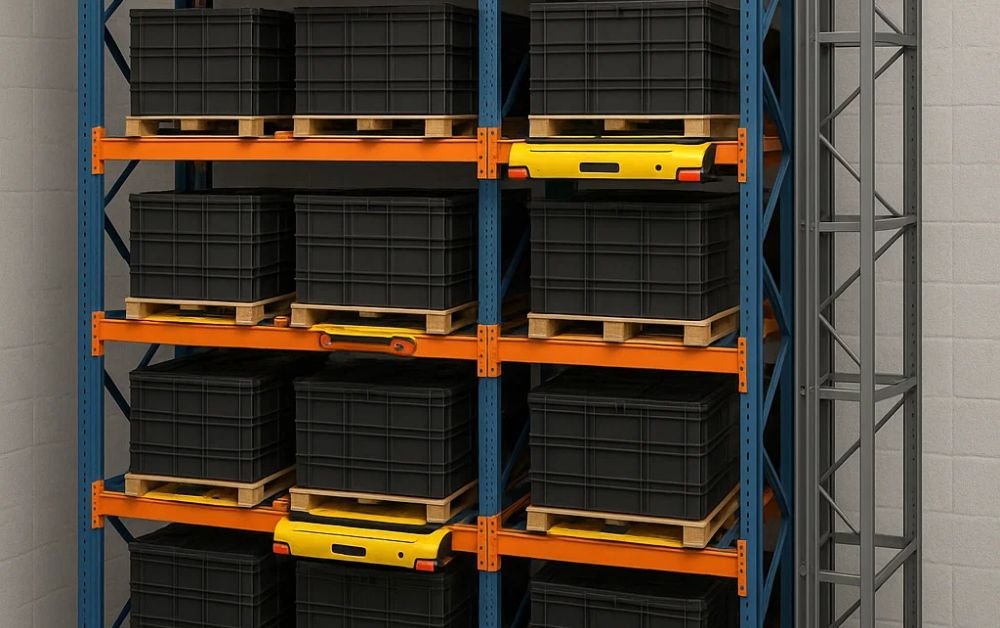
- If automated storage and retrieval systems (AS/RS) are being used, racks must be designed to integrate with these technologies.
A mismatch between racking design and equipment can cause operational bottlenecks.
6. Flexibility and Scalability
Business needs are never static. As demand grows, warehouses often need to expand storage capacity.
- Opt for modular racking systems that can be extended or reconfigured.
- Choose solutions that allow adjusting shelf heights and layouts without major structural changes.
When considering rack installation UAE, planning for future scalability ensures your investment continues to serve your business in the long term.
7. Environmental Considerations
The surrounding environment can also affect racking design.
- Temperature-controlled warehouses (like cold storage) require racks with corrosion-resistant finishes.
- Humidity and dust levels should be factored in when selecting materials and coatings.
- In outdoor storage areas, weather-resistant structures are essential.
Ignoring these factors can lead to premature wear and costly replacements.
8. Safety Features and Compliance
Safety is non-negotiable when it comes to rack installations.
- Install safety barriers and guards to protect racks from forklift impacts.
- Regular inspections and load signage help ensure safe usage.
- Compliance with UAE safety standards and international best practices must be a priority.
Investing in safety not only protects goods but also safeguards workers and equipment.
9. Cost vs. Value
While budget is always an important consideration, focusing solely on cost can be short-sighted.
- A cheaper installation might not meet long-term requirements or safety standards.
- High-quality racks with longer lifespans and lower maintenance costs deliver better ROI.
- Always evaluate total cost of ownership, not just upfront expenses.
A strategic balance between budget and value ensures long-term efficiency.
Conclusion
Designing rack installations requires careful planning, considering everything from product type and load capacity to space optimization, safety, and scalability. A well-executed rack installation UAE improves not just storage efficiency but also operational safety and productivity. For businesses looking to implement reliable and future-ready racking solutions, Stormat Systems and Solutions shines as a trusted name, delivering high-quality, customizable, and durable systems tailored to diverse industry needs.